Akua Objects — Exclusive Interview
with Co-Founders Annika Zobel Agerled and Josefine Arthur
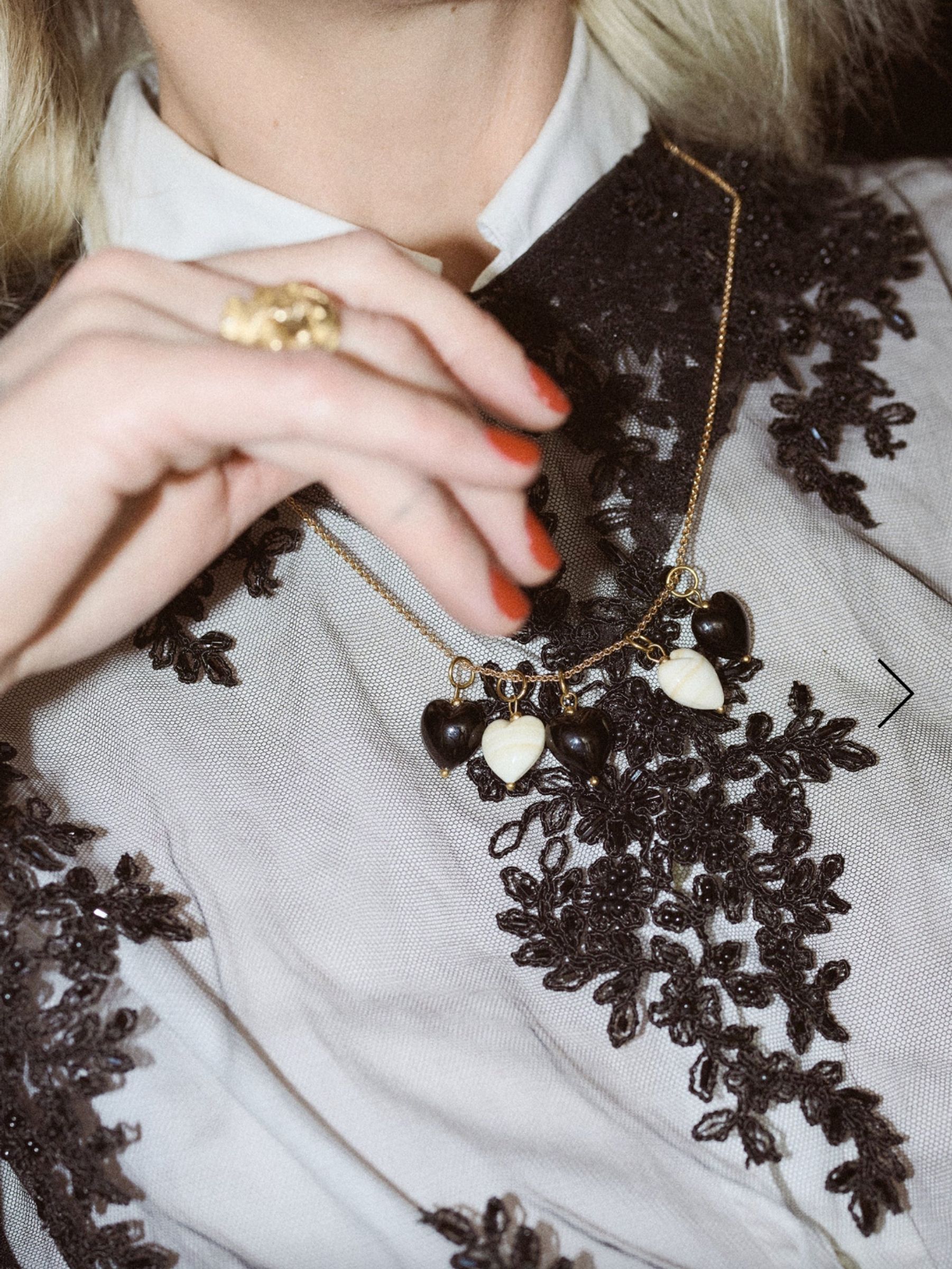
Danish tableware brand Akua reminds us that human connection is available through storytelling, through meeting your soul-sister in the wee hours of the morning, or through tracing your grandparent's love life. Their poetic offering of significant, yet functional, objects reinforces the notion that good design amplifies everyday life, it does not stifle it.
Throughout our conversation, we learn about Akua's approach to design—drawing knowledge from their collaborators and experiencing how deliberate parameters can lead to new ways of thinking. Co-Founders Annika and Josefine share their thoughts on how their brand continuously creates pieces that are singular and unexpected…
Annika, Creative Designer and co-founder of Akua Objects
You have recently returned from a summer break with your family. What does this downtime, away from your usual working routine, give to you and your design practice?
For me, time away from the usual working routine creates a healthy sense of distance. Especially this year, when we visited a small hiking town in Switzerland. I’m very inspired by nature, and the nature there is truly wild — huge, dramatic mountains, alpine flowers, cows with ringing bells, and a whole way of life that feels incredibly inspiring. It’s like the ultimate destination for longevity. You get your own freshly squeezed milk in the morning, and everything is just beyond beautiful. I think it’s the fresh air, the alpine tree houses, the wooden heart-shaped details, and this very simple, natural way of living.
This year, I was also very inspired by Scherenschnitt, a traditional Swiss paper-cutting art form. It involves creating delicate silhouettes and multi-layered pastoral scenes, and I was particularly fascinated by its colour schemes. I visited a few studios with traditions dating back to the 16th century, and it was inspiring not only to explore the colours and techniques, but also to discover new visual language and references to bring into the engraved silhouettes I create. Design is ultimately about paying attention to the world around us, and taking the time to step away from your usual surroundings can open up new ways of seeing and thinking.
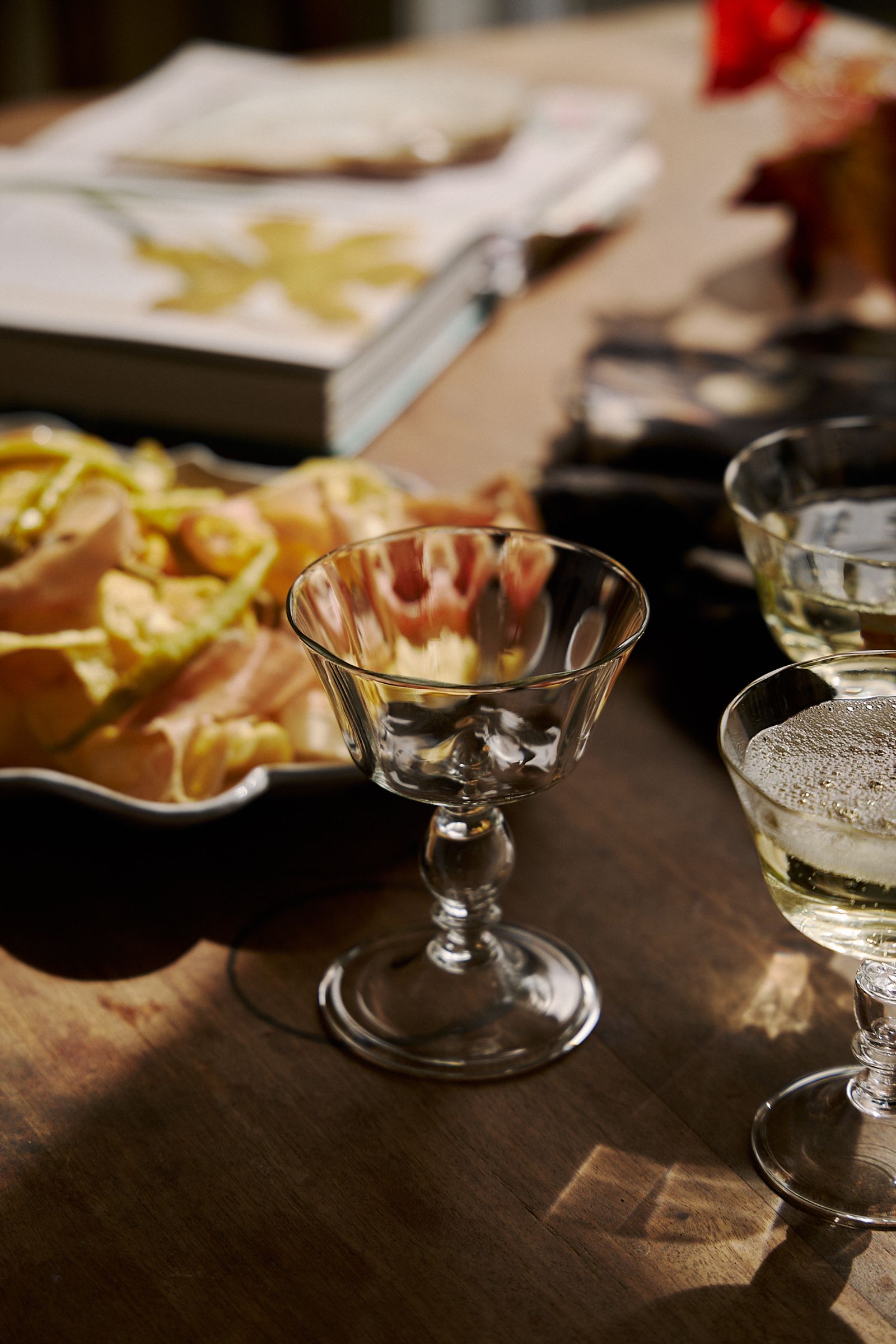
Alban Champagne Glass

Uma Caddy & Uma Pendant
We love the storytelling aspect of Akua's objects. Why is this important for you to include in your offering, and can you share any special moments that have happened while researching a specific object?
Storytelling is very important to us, as we believe an object becomes much more meaningful when you understand where it comes from, who made it, and the stories that surround it. I want the objects we offer to carry a sense of place, history, and human connection—not simply to be beautiful things. When designing an object, my process often leads to unexpected discoveries. Sometimes, a technique has been passed down through generations; other times, the design comes from a memory of someone or something meaningful. These memories come from somewhere real, and that is what makes an object feel so meaningful and authentic. They become part of the story we tell around it.
When developing the collection with Frederik Bille Brahe, we talked a lot about respecting those who came before us. Frederik is named after his father, Bille Brahe, and I am named after my grandmother, Annika. During the process, we discovered that Frederik’s father and my grandmother had actually dated when they were young. My grandmother, Annika, passed away at just 27, so this unexpected connection between our families felt incredibly special. It made the design feel like more than a collaboration between two friends—it became a connection between generations.
We love the term "Table Poem," which you use throughout the delivery of your work. Can you share with us a poem you regularly return to for inspiration?
The phrase “Table Poem” is very meaningful to me because I see a tablescape almost like a poem—it tells a story through many small, often hidden details. There are so many things that happen around a table: traditions, rituals, habits, stories, conversations, disagreements, and sometimes even difficult or hurtful moments. It is where friends gather, where families come together, and where we share what has happened throughout the day. For me, the table holds a very particular kind of intimacy.
I often think of the table as a language of care. A tablescape can tell your family and guests that you have thought about them and wanted to create something special. Perhaps it is my aunt’s favourite flowers, horses on the glasses in honour of someone who loves them, or my mother’s favourite colour woven into the tablecloth. These details may seem small, but they carry memories.
So, rather than returning to one particular poem for inspiration, I think I return to the idea of poetry itself—the idea that meaning can be created through small gestures and details. This way of thinking is very important throughout the making of our campaigns: looking for the small things that, together, create a story and an emotional atmosphere.
Can you describe the essence of your own home? How does it feel to be in it? What are you trying to communicate?
I’m trying to create a place that feels like a real home, with open doors—a place where my children, bonus children, friends, and family feel completely at home.
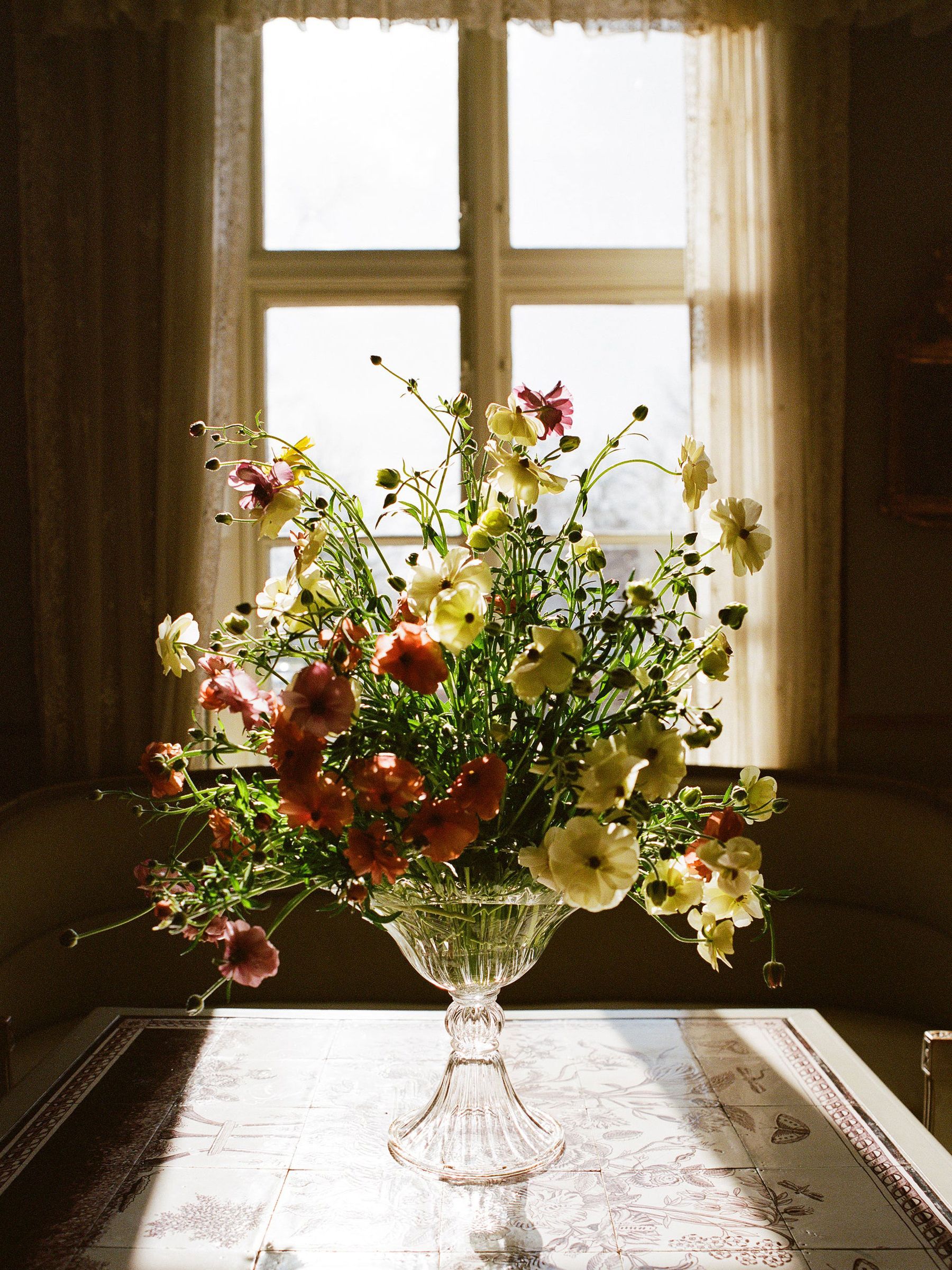
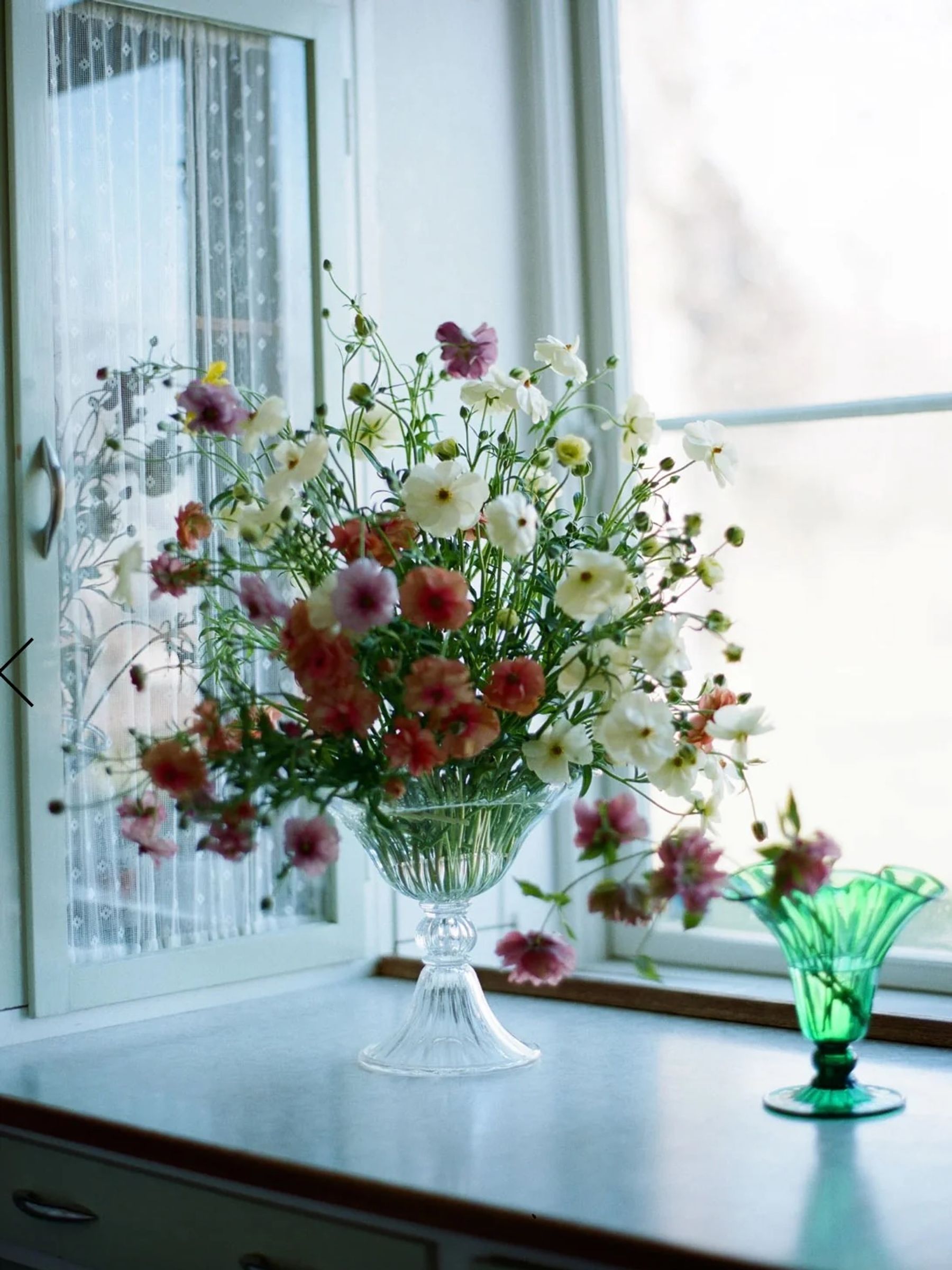
Blixen Vase Large, Clear

Alban Glass Collection
Josefine, CEO and co-founder of Akua Objects
How would you describe Akua to someone unfamiliar with your offerings?
Akua is a design universe centred around poetic tableware and objects, created in close collaboration with highly skilled craftspeople. We are interested in the space where design, art, and craftsmanship meet - creating objects that are functional, but at the same time have a sculptural and poetic presence on the table. For us, the table is more than a place to eat. It is where people gather, where conversations happen, and where memories are created. We want to create objects that become part of those moments and, over time, become part of people’s lives and homes.
We don’t really see Akua as a traditional glassware brand. We are interested in creating a world of objects with a strong and distinctive design language, where material, form, function, and craftsmanship are considered as one. Every detail is intentional, and we believe considered design should have a sense of permanence - something that doesn’t depend on a trend or a particular moment in time.
At the heart of Akua is a belief in making fewer, better things. Every object is designed with the ambition to become something that can be kept, cared for, and passed on. We think of our objects as future heirlooms - pieces that can move from one generation to the next, carrying with them the stories and memories of the people who have used them.
For us, longevity is therefore not only about how long an object physically lasts. It is also about creating something with enough character, beauty, and meaning that you want to keep it. We want our objects to become part of a family history - used by one generation, passed on to the next, and hopefully continuing to feel relevant many years from now.
You work closely with Annika. Can you tell us about your relationship, how you met, and how working together enriches the brand’s processes?
Annika and I met in the early morning hours at an afterparty in an apartment on Istedgade in Copenhagen in 2010. We’ve been in each other’s lives ever since, and we’ve also worked in the same industry for many years.
I’ve always had a huge admiration for Annika’s creative work. She has an incredibly sharp aesthetic eye and an intuitive understanding of materials, form, and proportion. When she approached me about starting Akua in 2021, I had a three-month-old baby in my arms. But saying yes felt completely natural.
I think what makes our collaboration work is that we come from slightly different perspectives, while sharing the same values. Annika brings an incredible creative instinct and developed our designs over several years. We both share a deep interest in the history, craftsmanship, and world surrounding the objects. I also have a business background, so I am responsible for leading the company in a sustainable direction from many different perspectives - not only economically. That sometimes means putting limitations on certain design gestures, but I think those limitations can actually be very valuable. They force us to think differently and find new ways of solving things.
We challenge each other, which I think is important, but there is also a very strong sense of trust between us. I think that trust is the foundation of why we work so well together.

Karl Vase, Hazel
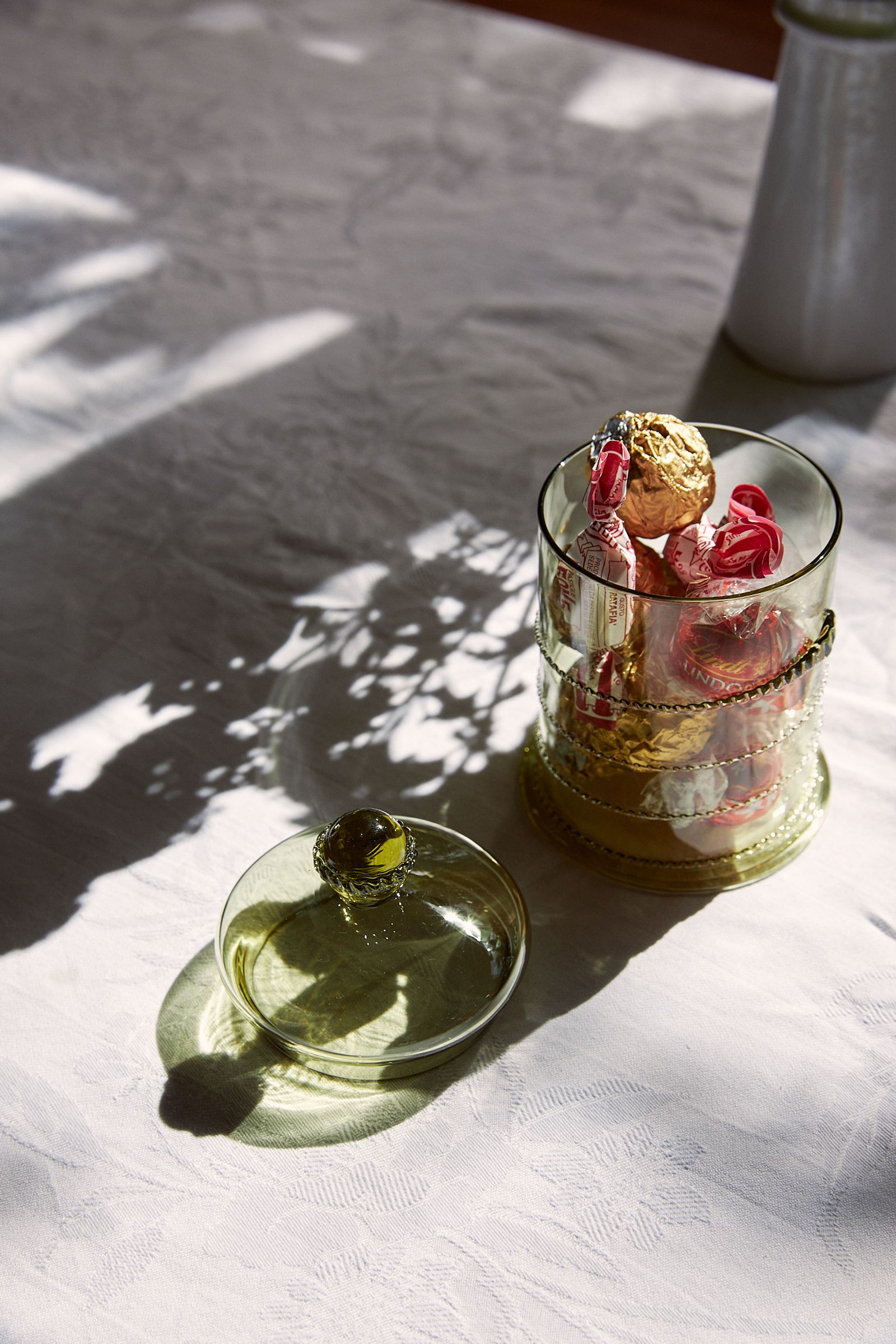
Karl Bonbonnière, Swirl
Can you tell us about the craftspeople you work with, and how does the collaboration work between you all?
Our relationships with the craftspeople are probably one of the most important parts of Akua. We work with people who have spent many years - and in some cases, generations - mastering their craft. Their knowledge lives in their hands and in the way they understand and work with materials.
They bring a deep technical understanding of materials, construction, and traditional techniques, as well as an incredible sensitivity to the making process. They have the rare ability to take Annika’s drawings and translate them into a physical object, bringing her ideas to life through their craft and expertise. We’ve been very lucky to work with people who are incredibly generous with their knowledge and who are among the most respected masters in the world. They are based in Murano and Bohemia - two places with a long and deeply rooted tradition of glassmaking.
There is a human connection, a technical skill, and a history behind each object that you don’t necessarily see at first glance.
Which Akua objects do you personally have at home, and how do you enjoy them?
I have quite a few Akua objects at home by now, which is probably inevitable. But what I enjoy most is that they don’t feel like precious objects that have to be saved for a special occasion. We use them.
I especially love our glassware at the dinner table. There is something about drinking from a beautifully made glass that changes the experience, even if you’re just having water on a Tuesday evening. The way the light moves through the glass, the weight in your hand, and the small irregularities that come from being handmade - all of these things make you more aware of the object.
We also use the pieces when we have friends over, and I love seeing how they become part of those moments. For me, that is really the purpose of what we are making. An object can be beautifully designed and beautifully crafted, but ultimately, I want it to be lived with.

Alban Vase, Tulip
Explore more from Akua Objects in store and online, here.

