Ela! Ela! To Italy, Georgia, Bulgaria and Home
Celebrating the arrival of a new cookbook by Ella Mittas...
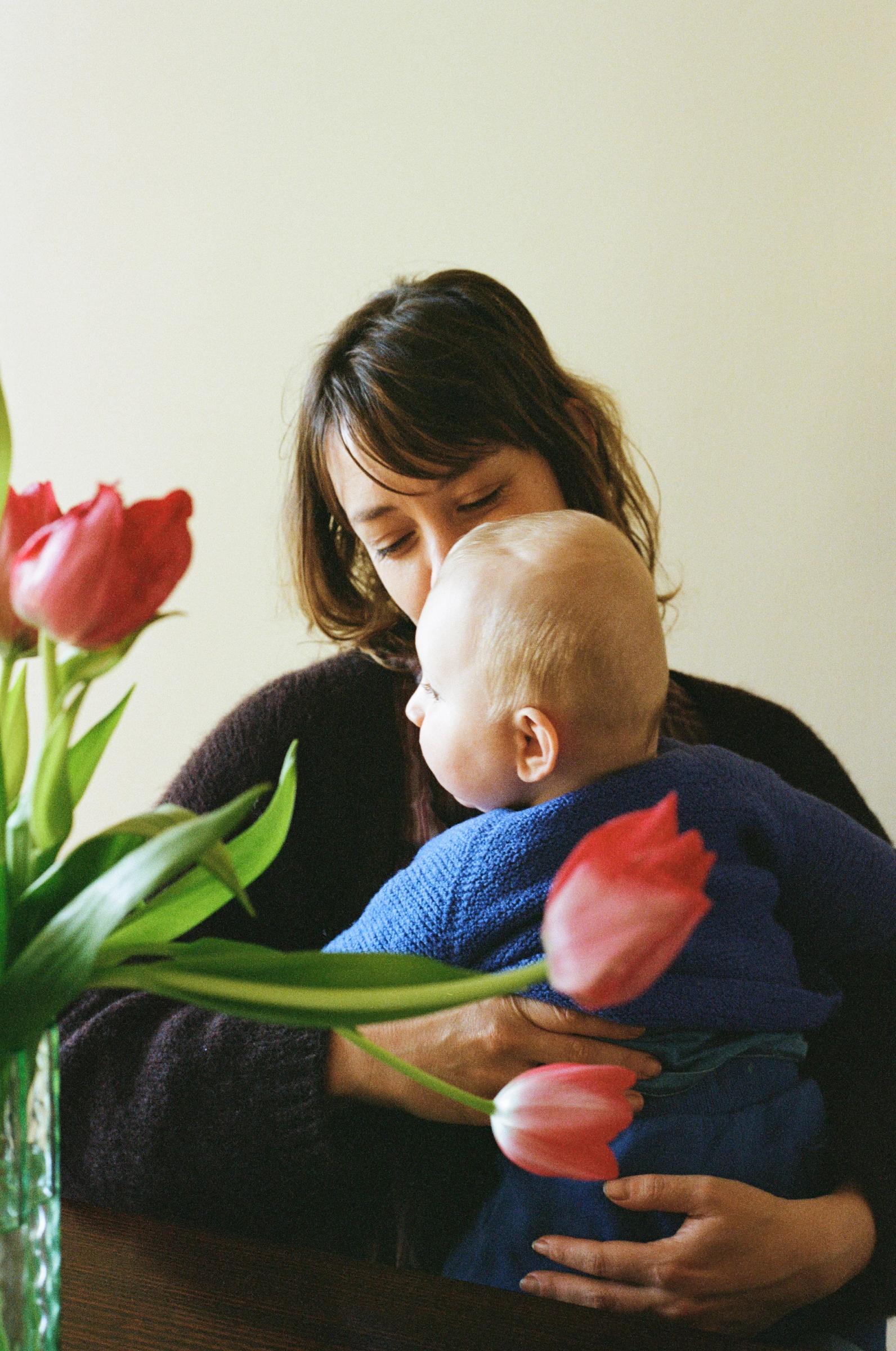
Following her bestselling debut, Ella Mittas returns with Ela! Ela! To Italy, Georgia, Bulgaria and Home. In her trademark style Ella joins insightful food writing with recipes that become immediate home staples. From her grandparents’ backyard in Melbourne to a biodynamic vineyard in Lucca, a sacred mountain festival in the Georgian Caucasus, and the archives of Bulgaria’s Slow Food network. This book is about inheritance—what gets carried forward, and what gets left behind.
The book moves through four sections — Home, Greece and Bulgaria, Italy, and Georgia — with dishes ranging from the deeply familiar (avgolemono, moussaka, leek pita with homemade filo) to the less known (lobio, Georgian tomato salad with walnut paste, farinata with stewed peppers, lutenitsa). To celebrate the arrival of Ela! Ela! To Italy, Georgia, Bulgaria and Home, we spoke to Ella about her newest cookbook, which is intertwined with her first experience of motherhood, and how food and cooking sit at the centre of both...
Can you describe your kitchen space for us?
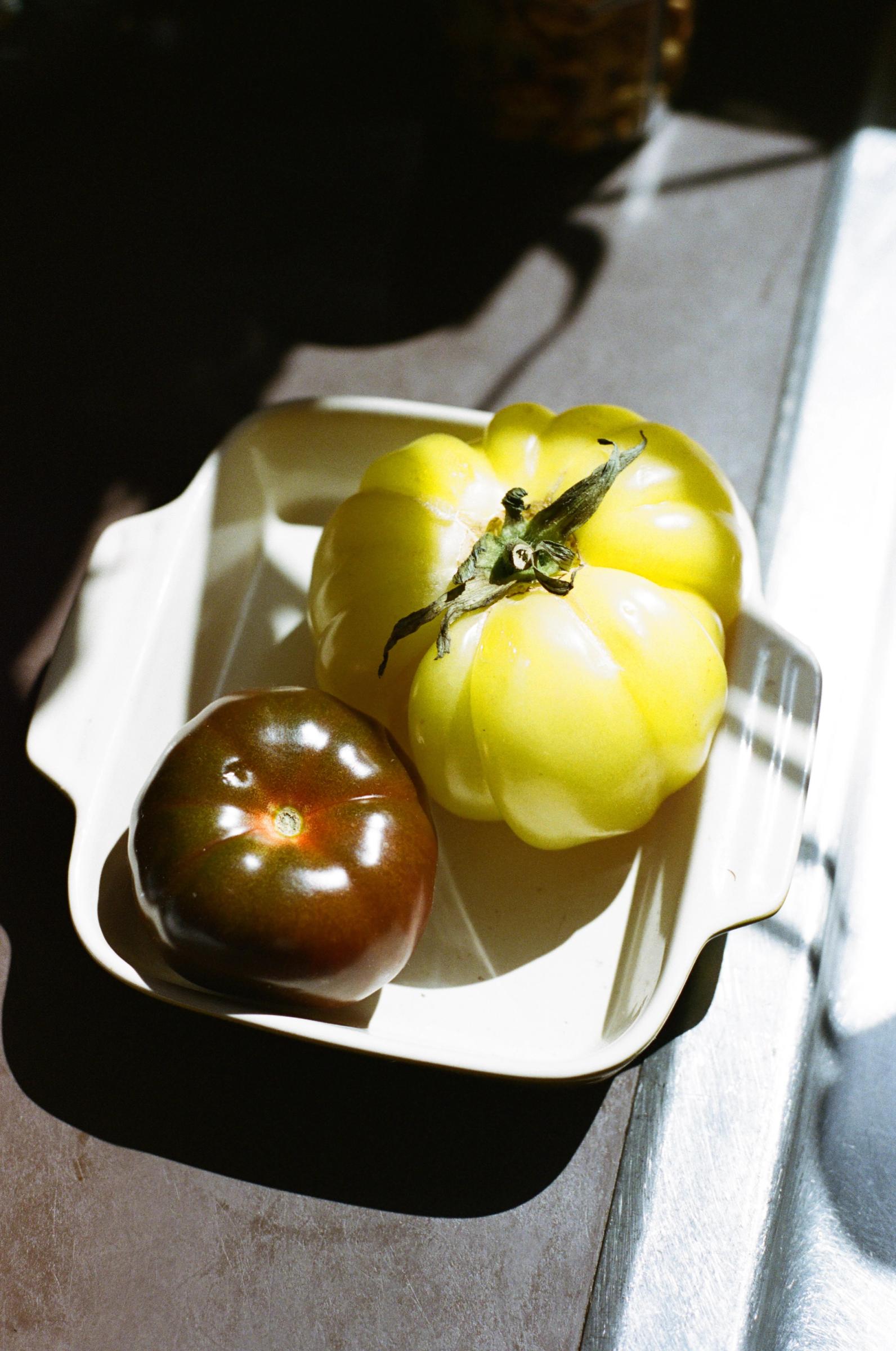
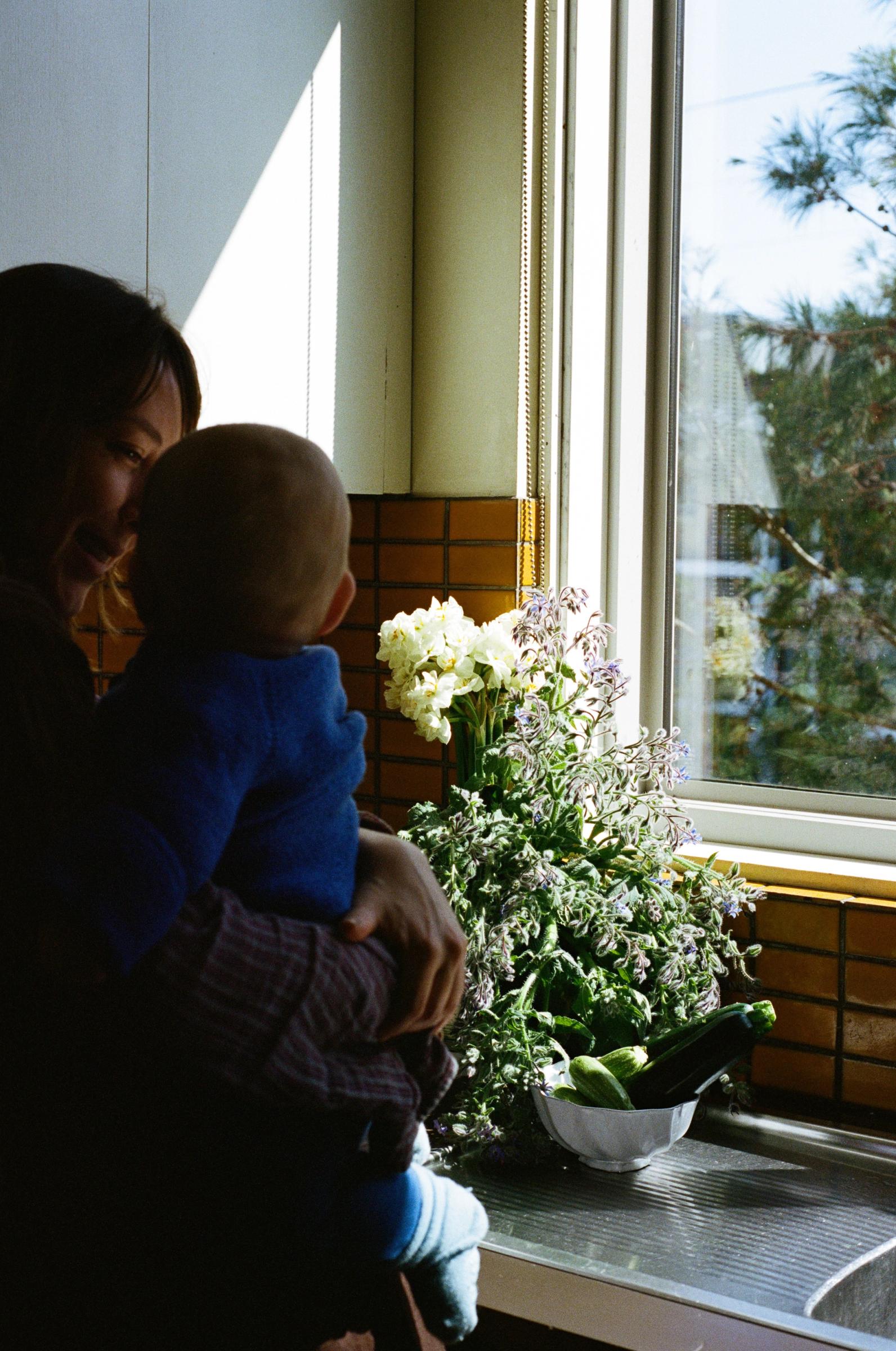
We live in an apartment, and our kitchen is U-shaped. There is a large window over the sink that looks out onto a wall of other apartments, into all of their windows and into their living rooms, and there’s a garden in between them and us, a native garden. So when you are cooking, you can see everyone else preparing their meals, too.
What are some kitchen tools you cannot live without?
I can’t live without my one very good Japanese kitchen knife, which is a perfect size for my hand, my microplane and my favourite Le Creuset enamelled cast-iron pot.
Tell us about the inspiration + concept behind your new book, Ela! Ela! To Italy, Georgia, Bulgaria and Home
My first cookbook was set out by four regions that I had worked through in Greece and Turkey. There was an essay at the start of each chapter about the place that I’d worked, and then 10 regional recipes followed, so for this book I wanted the format to be the same. I was making this book during a fellowship with the State Library of Victoria, so I started researching as I was putting the book together, and I came across a whole lot of literature about Soviet cooking and Soviet food that inspired me to go digging in my own archive from some other trips that I’ve been on. Much of the literature I found on Soviet food focused on how people were trying to re-enact food traditions and culture as they transitioned out of Soviet rule, and it made me think a lot about food culture, culture generally, and how it gets handed down. I was also pregnant when I wrote this book, which led me to theme it around inheritance.
“”"I wrote this book during my first pregnancy, so maybe it’s no surprise that it became about inheritance. When I looked back through the essays, I kept finding the same preoccupation — what gets carried forward, and what doesn’t. What disappears simply because no one practised it. It felt dishonest to make that argument in a form that didn’t match it. So this book was made slowly, by hand.”— Ella Mittas
In these images you have made some dishes from your new cookbook. Can you share any stories about discovering these recipes?
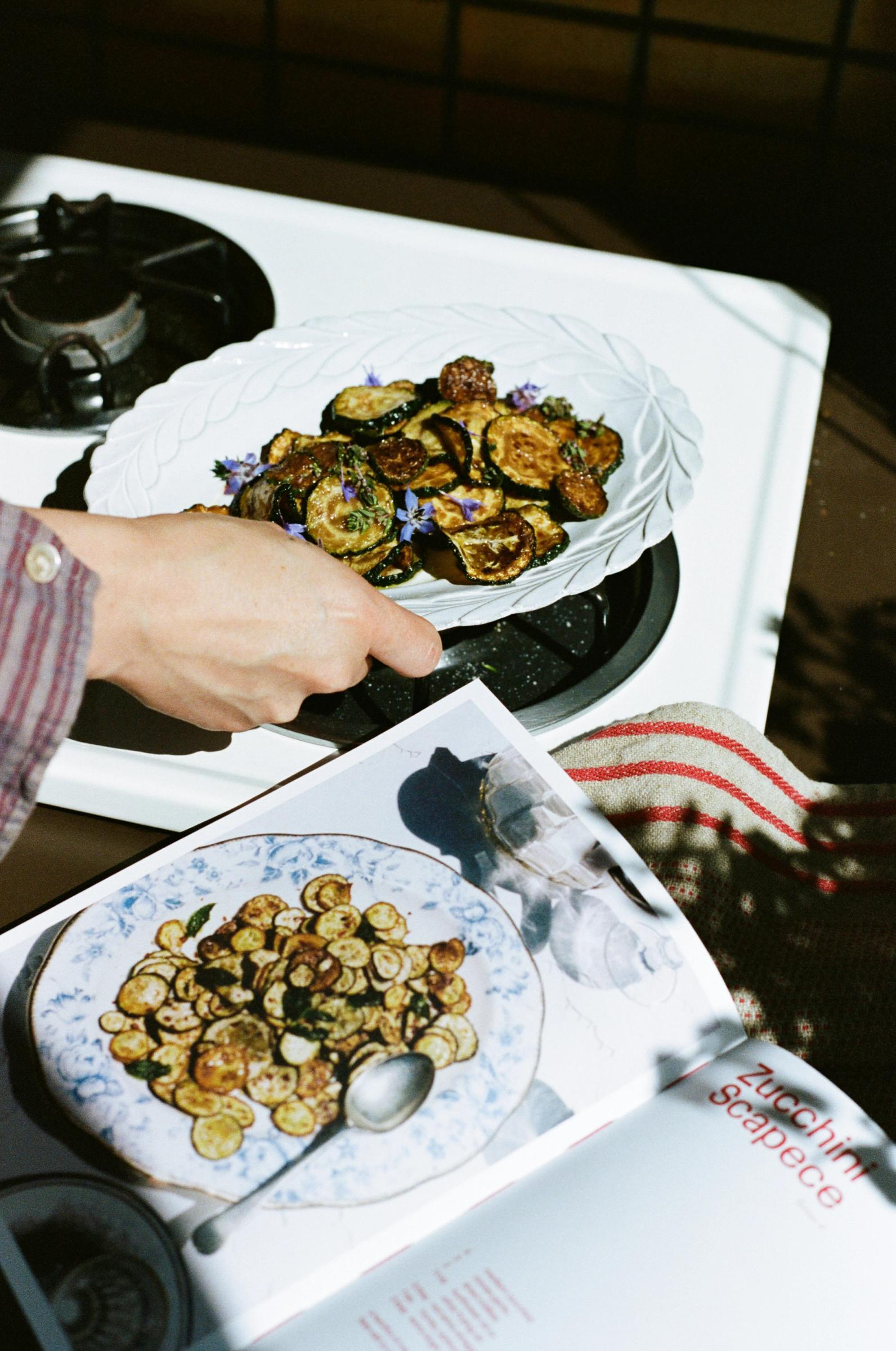
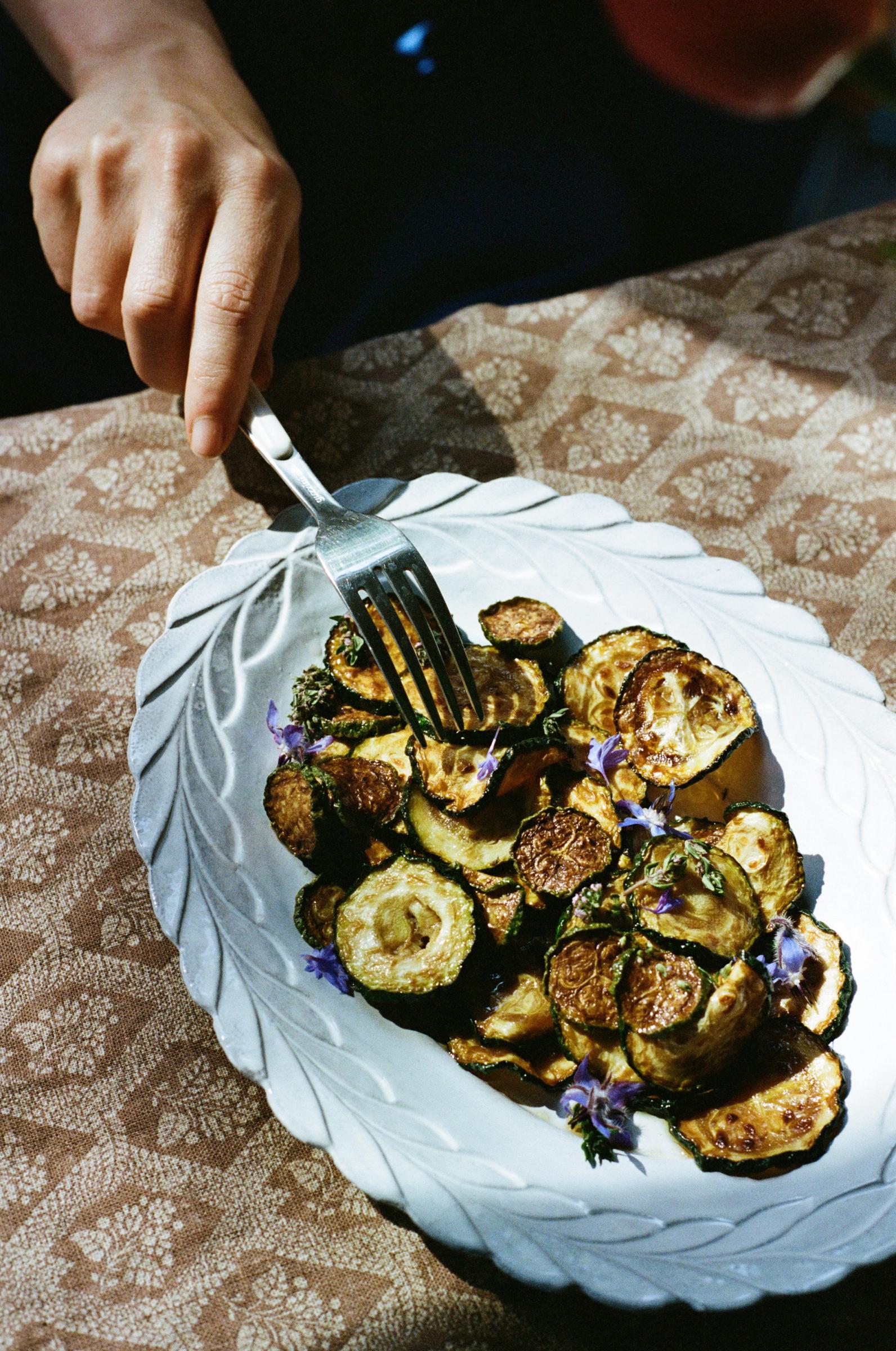
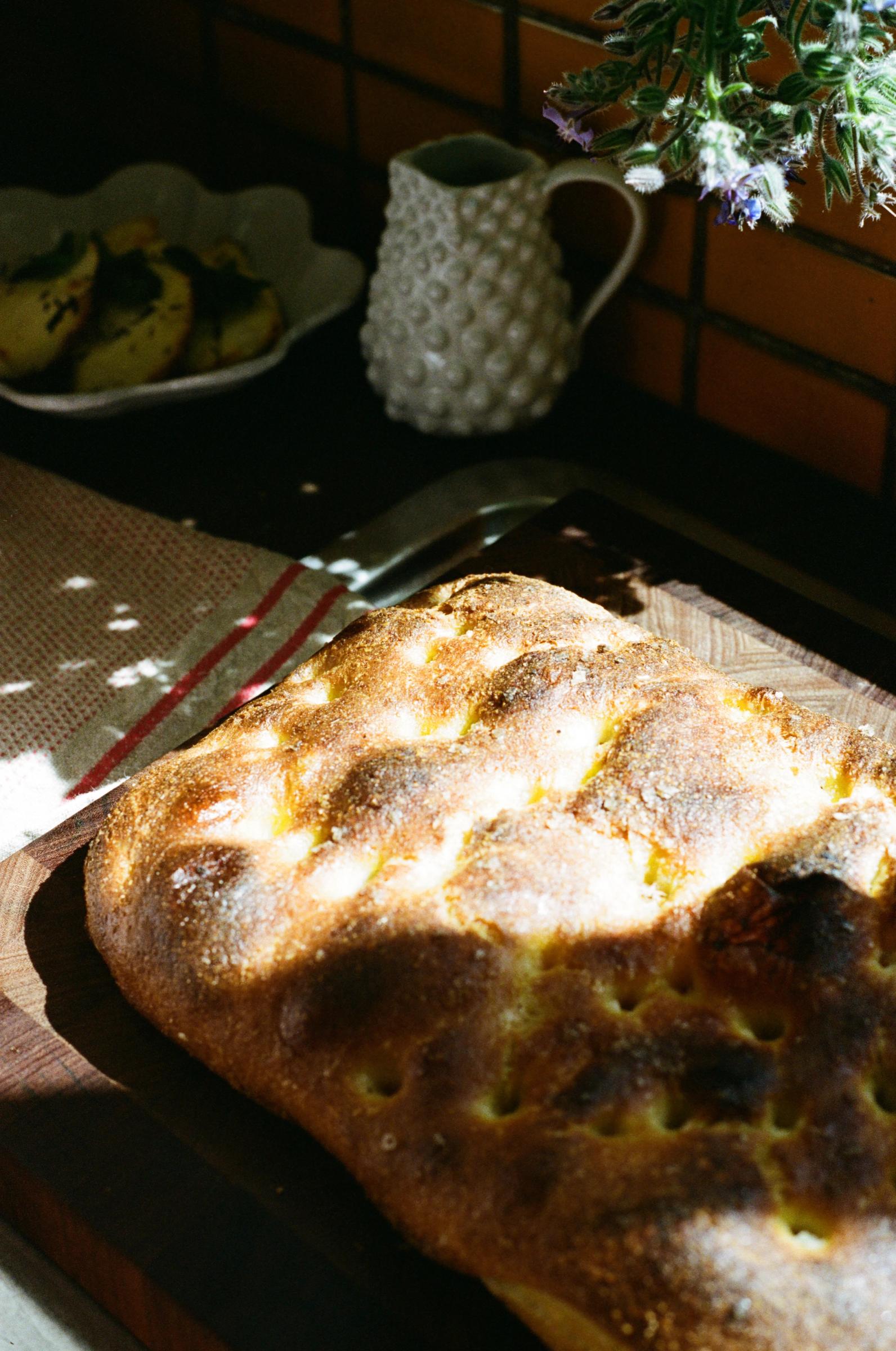
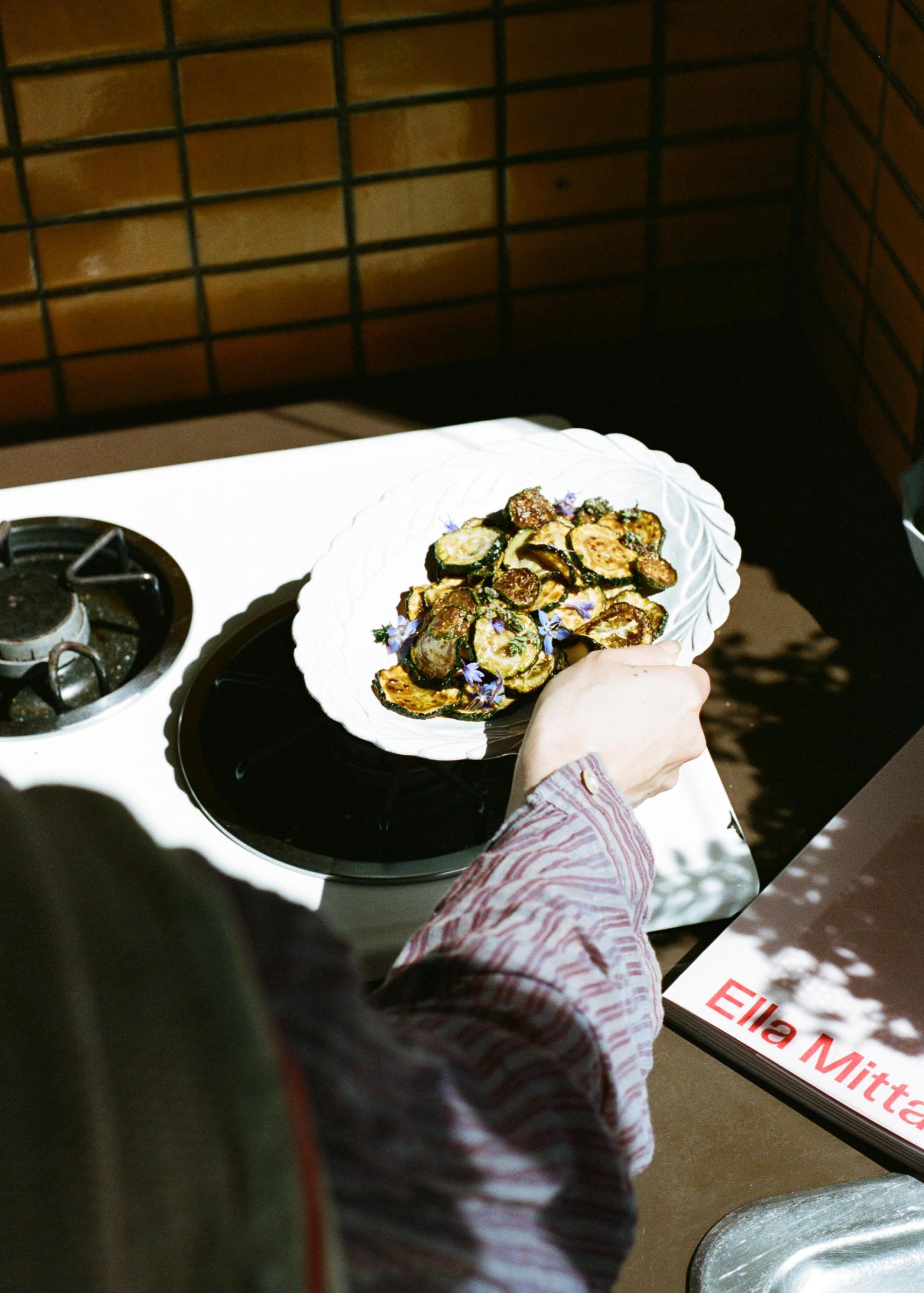
The fried and marinated zucchini is from working in Italy one summer. I worked in Cremona in a restaurant that had a farm too, and in summer, there was such an abundance of zucchini that we did so many different things with them: pickled them, fried them, made pasta with them. But this recipe is for a very simple fried zucchini side; we would eat it with fresh ricotta, but here I have baked the ricotta with thyme and olive oil and paired it with a simple focaccia recipe. We would eat before service at the restaurant, or sometimes very late after the service, once everyone had left.
We love the sound of Bulgaria's slow food network. What was something you learnt while exploring this approach to food and cooking?
The main thing I took away from the Slow Food network in Bulgaria was how urgent the group is to bolster traditional food production and farming practices. The Slow Food movement is designed to help keep traditional foods and farming alive; the network works by helping promote businesses and farms. The main thing I learnt from this group was how big of an effort it was for them to maintain their traditional food production; it made me think a lot about putting in a vice effort to maintain traditions I want to keep in my own life.
The cookbook speaks to inheritance: what gets carried forward and what gets left behind. Now, as a new mother yourself, can you speak about this concept, and what it means for you regarding food.
My family is Greek-Australian, and I’m third generation, so it was my grandparents who migrated from Greece to Australia. My main ideas about inheritance for my son revolved around the Greek traditions we have through food, and how I can act to preserve them once we no longer have my grandparents around. In terms of food, it means cooking for my son the way my grandparents have cooked for me. I have recorded a lot of the recipes they’ve brought with them from Greece, and published some of them in my books. It’s important to me that he gets to experience those recipes, so I hope to do a good job of continuing to cook them.
4-5 favourite places to eat or visit in Melbourne?
1. Al Almy in Coburg is where we get Lebanese breakfast spreads. We get Lebanese pizza, fatteh, foul and falafel from here, and it’s great.
2. Gooddays in Brunswick for easy and great Vietnamese food.
3. Aunty Dumpling in Carlton for very delicious made-to-order dumplings; I get the king prawn dumplings and the root vegetable salad,
4. Masses Bagels for incredible bagels and great coffee.
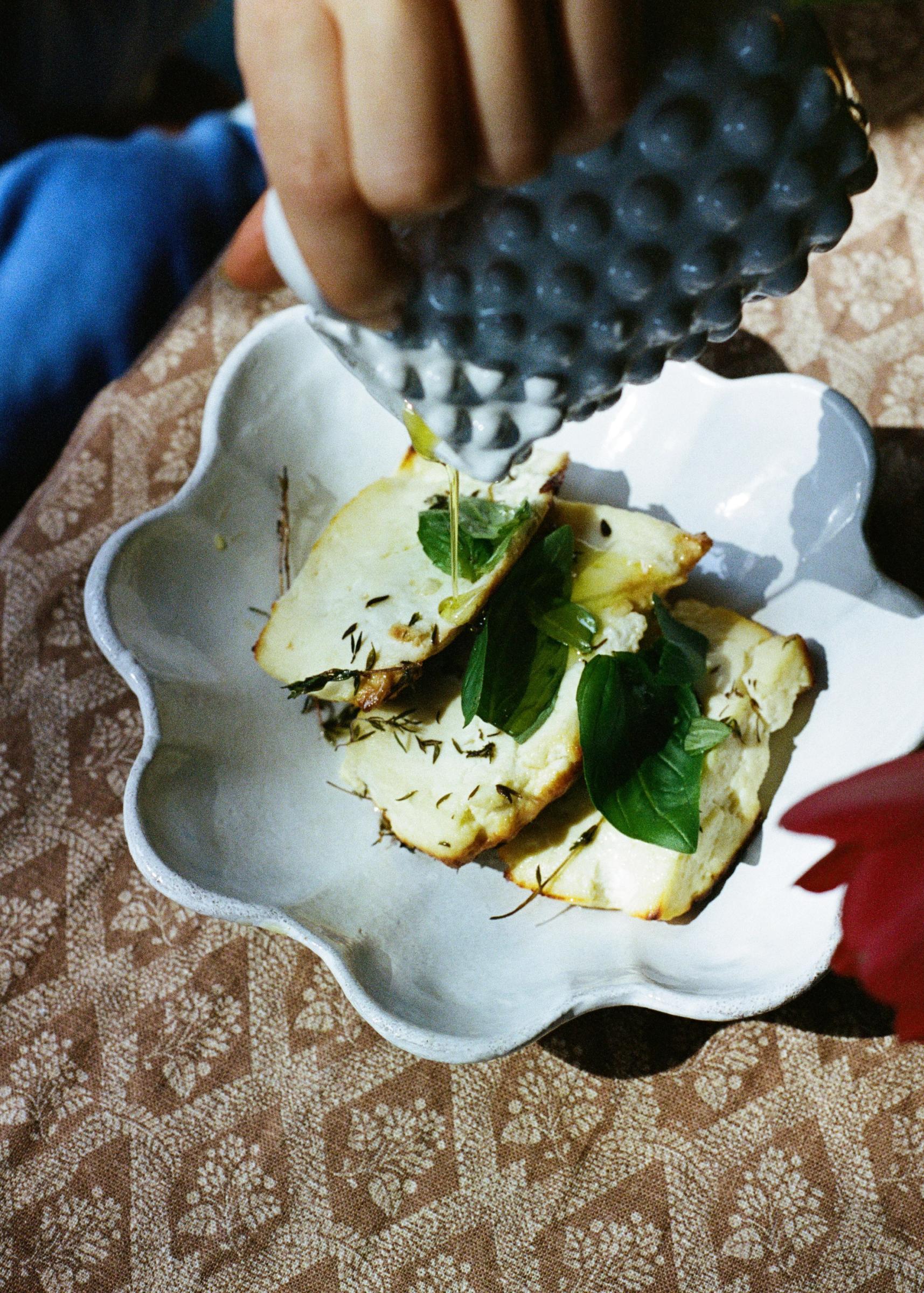
Ella's shares her Zucchini Scapece recipe from her new cookbook
INGREDIENTS
5 zucchini
2 cloves garlic
2 dried chillies
1 cup sunflower oil or other frying oil
3 tbsp red wine vinegar
1 tsp honey, optional
2 tbsp extra virgin olive oil
a handful of mint leaves
flake salt to taste
METHOD
Start by cutting your zucchini into rounds five millimetres thick.
Sprinkle with salt, then place in a colander and leave for 30 minutes.
Next, make your marinade. Slice the garlic as finely as possible, mix with the red wine vinegar and olive oil and season with salt. Leave to one side.
Start heating your frying oil in a deep pan over a medium to high heat. You will know the oil is ready when you put a piece of zucchini in; it should start to brown immediately.
Pat the zucchini dry before frying it in batches. When it’s browned, drain it on a paper towel to remove excess oil.
Fry the mint for a couple of seconds and quickly remove.
Crush up your dried chilli either in a mortar and pestle or just with a knife.
To serve the zucchini, toss it through the marinade and then sprinkle with chilli, fried mint and a little more salt.